Choosing the right pet grooming bath tub is essential for ensuring reliable performance in daily grooming operations. Whether you run a grooming salon or veterinary clinic, your equipment must withstand frequent use without compromising operational consistency.
Two dominant materials—stainless steel and plastic—offer very different performance levels. This guide, supported by industry insights and manufacturers like PUJIA, helps you choose the right solution.
The biggest difference between stainless steel and plastic grooming tubs lies in durability, hygiene, and long-term reliability.
Feature | Stainless Steel Tub | Plastic Tub |
Material Type | Industrial-grade metal | Polymer (PP/PVC) |
Typical Lifespan | 7–15+ years | 2–5 years |
Durability | Highly resistant to impact & corrosion | Prone to wear and cracking |
Hygiene Level | Non-porous, easy to sanitize | May develop micro-scratches |
Maintenance | Low | Moderate |
Upfront Cost | Higher | Lower |
Recommended Use | Commercial environments | Home/light use |
Industry data shows that stainless steel grooming tubs typically last 7–15 years, while plastic tubs usually last only 2–5 years, making material choice a decision that directly impacts replacement frequency and maintenance needs.
Grooming tubs can be categorized not only by material but also by structure and intended use.
Type of Grooming Tub | Material | Key Features | Best For |
304/316 Stainless Steel | Durable, hygienic, corrosion-resistant | Professional salons, vet clinics | |
PP / PVC | Lightweight, affordable | Home use, light grooming | |
Elevated Grooming Tub | Steel + Frame | Raised design reduces physical strain | High-volume groomers |
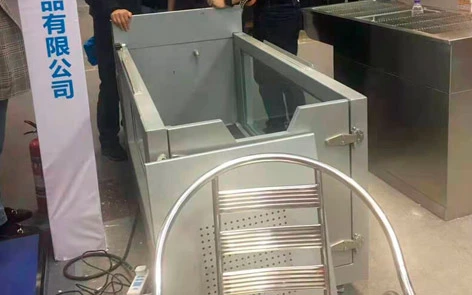
Walk-in Grooming Tub | Stainless Steel | Door/ramp for easy access | Large or senior dogs |
Portable Grooming Tub | Plastic / Composite | Foldable, easy to transport | Mobile grooming |
Selecting the right type depends on your workflow, pet size, and frequency of use.
When it comes to long-term use, stainless steel clearly outperforms plastic.
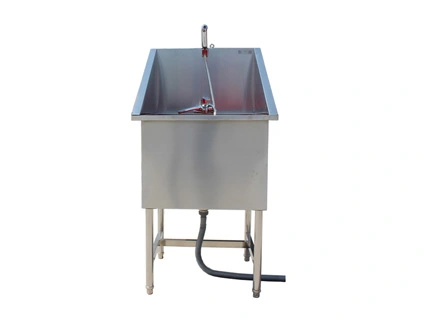
Stainless steel grooming tubs are typically made from 304-grade stainless steel, offering strong resistance to corrosion, chemicals, and daily wear. This makes them suitable for continuous, high-frequency use in demanding environments.
Plastic tubs, while lightweight and affordable, are more susceptible to cracking, deformation, and environmental stress. This results in more frequent equipment turnover in active grooming settings.
For professional operations, choosing durable equipment directly reduces maintenance costs and downtime.
Hygiene is one of the most important factors in pet grooming, especially in professional environments.
Stainless steel surfaces are non-porous, meaning they do not absorb moisture, bacteria, or odors. This makes them easy to clean and disinfect using standard cleaning solutions.
These properties align with sanitation principles recommended by the
Centers for Disease Control and Prevention, which emphasize smooth, non-absorbent surfaces.
Plastic tubs, on the other hand, can develop micro-scratches over time. These small imperfections can trap dirt and bacteria, making thorough cleaning more difficult.
At first glance, plastic grooming tubs appear more budget-friendly—but the long-term picture tells a different story.
Plastic grooming tubs offer a lower upfront cost, making them attractive for beginners or home users. However, they typically require replacement every few years.
Stainless steel tubs require a higher initial investment but provide a significantly longer lifespan and lower maintenance needs.
In practice, stainless steel grooming tubs reduce total ownership cost by minimizing replacement and maintenance requirements.
Different materials are suited to different use cases.
Stainless Steel Grooming Tubs are ideal for:
·Grooming salons
·Veterinary clinics
·Boarding facilities
·High-frequency operations
Plastic Grooming Tubs are better for:
·Home grooming
·Occasional use
·Small pets
·Budget-limited setups
Choosing based on usage frequency is often the most practical approach.
The right choice ultimately depends on how you plan to use the tub.
If your business involves frequent grooming, strict hygiene requirements, or large animals, stainless steel is the more reliable and cost-effective option over time.
If your needs are occasional or temporary, plastic may be sufficient.
Both stainless steel and plastic grooming tubs have their place, but they are designed for very different levels of use.
Plastic tubs are suitable for occasional use, while stainless steel tubs are better suited for consistent, high-demand grooming operations.
For professional environments, stainless steel remains the preferred choice for environments that require stable performance and consistent sanitation.
With reliable manufacturing experience, PUJIA offers high-quality pet grooming bath tub solutions designed to meet the demands of modern pet care businesses.
1. What is the best material for a pet grooming bath tub?
Stainless steel is generally the best choice for professional use.
2. How long does a stainless steel grooming tub last?
Typically 7–15 years or more.
3. Are plastic grooming tubs safe?
Yes, but they are better suited for home or occasional use.
4. Which grooming tub is easier to clean?
Stainless steel, due to its non-porous surface.
5. Is stainless steel worth the investment?
Yes, it offers better long-term value.
6. Can plastic tubs be used in professional grooming?
They are not recommended for high-frequency use.