Keeping dogs calm during bath time requires reducing environmental triggers and improving handling predictability. Without proper preparation, bathing can lead to resistance, safety risks, and inefficient grooming sessions. In this guide, we’ll walk through practical, experience-based strategies to reduce stress during baths, while also showing how using the right equipment can make a significant difference.
Before solving the problem, it’s important to understand it. Dogs may feel uneasy during baths due to:
Fear of water or noise (sprayers, drains)
Slippery surfaces causing instability
Negative past experiences
Restraint stress
Unfamiliar environments (especially in clinics or grooming salons)
Reducing these triggers is the foundation of a calm bathing experience.
One key factor that is often underestimated is the bathing setup itself.
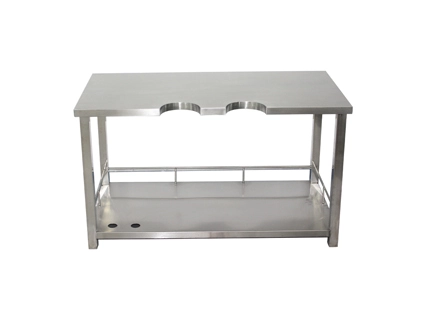
A well-designed pet grooming bath tub can dramatically enhance both safety and comfort during the process. Unlike standard household tubs, professional grooming systems are built with features that reduce stress for both the dog and the handler, such as:
Anti-slip surfaces that provide stability and prevent fear caused by slipping
Ergonomic height adjustments for better handling and reduced physical strain
Integrated restraint systems to keep pets securely and comfortably positioned
Quiet, efficient drainage to minimize sudden noises that may trigger anxiety
In clinical or professional grooming environments, a veterinary grooming tub becomes even more essential. It allows for a cleaner, more controlled bathing process—particularly important when dealing with senior pets, injured animals, or dogs with high anxiety levels.
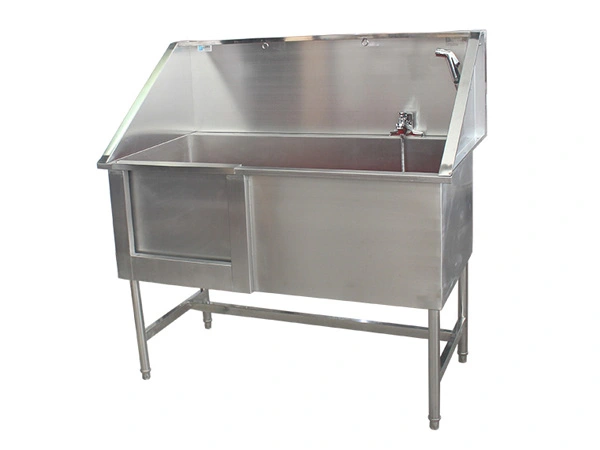
Our Stainless Steel Veterinary Grooming Tub is engineered to meet professional standards while remaining practical for both clinics and advanced home users. Available in various configurations, including walk-in and electric lift models, it offers:
High-quality stainless steel construction that is long-lasting, corrosion-resistant, and easy to disinfect
Stable, non-slip design elements that help reduce movement-related stress
A fully enclosed structure that keeps water contained and maintains a clean workspace
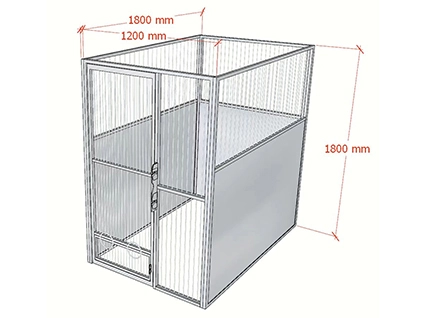
Multiple size options to suit dogs of all breeds, from small companions to large working dogs
Dogs are highly sensitive to their surroundings. A calm bathing space can make a huge difference.
Tips:
Keep noise levels low (avoid loud dryers or shouting)
Use soft lighting instead of harsh overhead lights
Maintain a comfortable room temperature
Limit the number of people around the dog
For clinics sourcing equipment, working with reliable vet supplies wholesale providers ensures consistent access to a wide range of certified equipment, instruments, and consumables—helping create a safer, more efficient, and low-stress environment for both animals and staff.
Pre-rinse prep – Gently brush your dog to remove loose fur and mats.
Wet slowly – Start at the back legs and work forward using lukewarm water (test on your wrist). Avoid spraying the face directly.
Lather with distraction – Apply diluted shampoo and let the lick mat do its job.
Rinse thoroughly – Double-check underbelly, armpits, and paws—common areas dogs hate having touched.
Dry positively – Use a towel or low-speed dryer (many dogs tolerate the sound better if introduced gradually) while offering treats and praise.
End every session on a high note—even if it’s just a short “practice bath.” Your dog will remember the reward, not the water.
If your dog’s bath anxiety is extreme (panting, shaking, aggression, or refusal to enter the room), consult your veterinarian. They can rule out underlying medical issues and may refer you to a certified animal behaviorist. In the meantime, professional grooming services using commercial pet grooming bath tubs can take the pressure off while you work on desensitization at home.
Keeping dogs calm during bath time isn’t about forcing them to “deal with it”—it’s about understanding their fears and giving them the tools and environment they need to feel safe. With patience, positive reinforcement, and the right veterinary grooming tub, what used to be a monthly war can become just another part of your care routine.
Are grooming tubs better than regular bathtubs for dogs?
Yes. A dedicated pet grooming bath tub is specifically designed for animal handling. Features like non-slip flooring, adjustable height, and built-in restraints make the process safer, faster, and less stressful compared to standard household bathtubs.
How often should I bathe my dog?
Most dogs only need a bath every 4–6 weeks, but it depends on breed, coat type, and lifestyle. Over-bathing can dry out the skin, while under-bathing may lead to hygiene issues. Using proper equipment like a pet grooming bath tub helps maintain consistency and comfort during routine grooming.
Can I use a pet grooming bath tub at home, or is it only for veterinary clinics?
Absolutely! While veterinary grooming tubs are popular in clinics and professional grooming salons, many pet owners also use them at home for convenience and better results. They’re especially helpful for larger dogs or owners with back issues. If you run a grooming business or veterinary practice, check our vet supplies wholesale pricing for bulk orders.
Is it safe to use restraints in a grooming tub? Yes, when used correctly. Bath restraints help prevent sudden movements and slipping, reducing injury risk for both dog and handler. Always adjust them snugly but comfortably—never too tight. Monitor your dog closely and combine with positive reinforcement for the best results.
How do I clean and maintain a stainless steel pet grooming bath tub? Stainless steel is naturally hygienic and easy to maintain. Rinse thoroughly after each use, wipe down with a pet-safe disinfectant, and ensure proper drainage. Regular cleaning prevents buildup and keeps the tub looking and performing like new for years.